

Veterinary Expert Dr. Scott Floyd of Moore Explains Cat Dental Cleanings for HelloNation
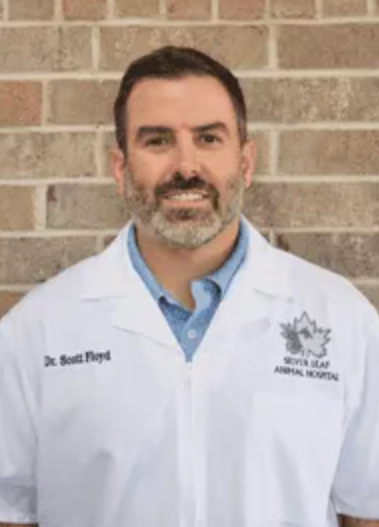
Dr. Scott Floyd
Do cats really need dental cleanings, or is this step only necessary when problems appear?
MOORE, OK, UNITED STATES, December 17, 2025 /EINPresswire.com/ -- Do cats really need dental cleanings, or is this step only necessary when problems appear? According to a HelloNation article, the answer is clear. Veterinary Expert Dr. Scott Floyd of Silver Leaf Animal Hospital in Moore, Oklahoma, explains why cat dental cleaning is essential, how gum disease and tooth decay develop, and why preventive care matters for feline dental health.The HelloNation feature begins with a reminder that dental problems in cats are far more common than most owners realize. While vaccines and checkups are routine, dental care is often overlooked. Cats are skilled at hiding pain, so they may continue eating, grooming, and behaving normally while suffering from significant oral disease. This makes regular dental cleanings vital for early detection and treatment.
Bad breath is often the first warning sign of cat gum disease, though many owners dismiss it as normal. The article explains that odor usually means bacteria and infection are present. Other signs include drooling, pawing at the mouth, or chewing on only one side of the mouth. Cats may also lose weight or begin avoiding food because eating has become painful.
Periodontal disease, or gum disease, is one of the most common feline dental health issues. It begins with plaque buildup, which leads to inflammation, redness, and bleeding gums. If untreated, the infection can destroy the supporting tissues, causing teeth to loosen and eventually fall out. Cat gum disease progresses silently, making professional cleanings critical before the damage becomes severe.
The article highlights that cat tooth decay is not the same as human cavities. Instead, resorptive lesions in cats are a unique condition in which the tooth breaks down from the inside. These lesions are extremely painful and affect more than half of cats over the age of three. Because the damage often cannot be seen without cat dental x-rays, many owners never know a problem exists until it is advanced.
Routine cat dental cleaning is not simply cosmetic. Professional cleanings allow veterinarians to scale tartar, polish teeth, and take dental x-rays under anesthesia. This thorough process is the only reliable way to diagnose hidden problems like resorptive lesions or root infections. As explained in the HelloNation article, the use of anesthesia ensures accuracy and safety, while modern monitoring practices help minimize risk.
Some owners worry about anesthesia, especially for older pets. Dr. Floyd, through the HelloNation piece, reassures readers that veterinary teams use pre-anesthetic testing and continuous monitoring to reduce complications. The benefits of addressing painful dental disease almost always outweigh the risks. Cats that receive routine cleanings often show more energy, eat better, and groom more effectively after treatment.
The risks of untreated dental problems extend far beyond the mouth. Chronic oral infections can release bacteria into the bloodstream, putting stress on organs such as the kidneys, liver, and heart. Preventive feline dental health care, therefore, protects both comfort and long-term systemic health.
The HelloNation article also emphasizes at-home care. While daily tooth brushing is the best method to slow plaque buildup, many cats resist it. Special diets, dental treats, and water additives can help, but are not substitutes for professional cleanings. Veterinarians can recommend safe, proven products to support dental care between visits.
Because dental disease progresses silently, veterinarians are best equipped to determine the timing of cleanings. Some cats may need yearly cleanings, while others require them more often, depending on age, breed, and overall health. Waiting until a cat refuses food or stops grooming usually means the disease is advanced and harder to treat.
Cats rely on their teeth for eating, grooming, and self-defense. When oral health declines, their quality of life suffers. The HelloNation article stresses that regular veterinary cleanings protect cats from chronic pain, preserve overall health, and ensure they continue living active, comfortable lives.
Preventive care is always better than waiting for problems to appear. By recognizing that cats rarely show their pain, owners can take proactive steps to protect them. Cat dental cleaning paired with at-home care provides the best defense against gum disease, tooth decay, and resorptive lesions in cats.
The full article, Does My Cat Really Need Dental Cleanings?, explores in depth why cat dental cleaning is critical for long-term feline dental health. Veterinary Expert Dr. Scott Floyd of Silver Leaf Animal Hospital in Moore shares practical insights to help cat owners understand how cleanings, x-rays, and preventive care safeguard their pets’ comfort and overall well-being.
About HelloNation
HelloNation is a premier media platform that connects readers with trusted professionals and businesses across various industries. Through its innovative “edvertising” approach that blends educational content and storytelling, HelloNation delivers expert-driven articles that inform, inspire, and empower. Covering topics from home improvement and health to business strategy and lifestyle, HelloNation highlights leaders making a meaningful impact in their communities.
Pat McCabe
HelloNation
info@hellonation.com
Legal Disclaimer:
EIN Presswire provides this news content "as is" without warranty of any kind. We do not accept any responsibility or liability for the accuracy, content, images, videos, licenses, completeness, legality, or reliability of the information contained in this article. If you have any complaints or copyright issues related to this article, kindly contact the author above.
